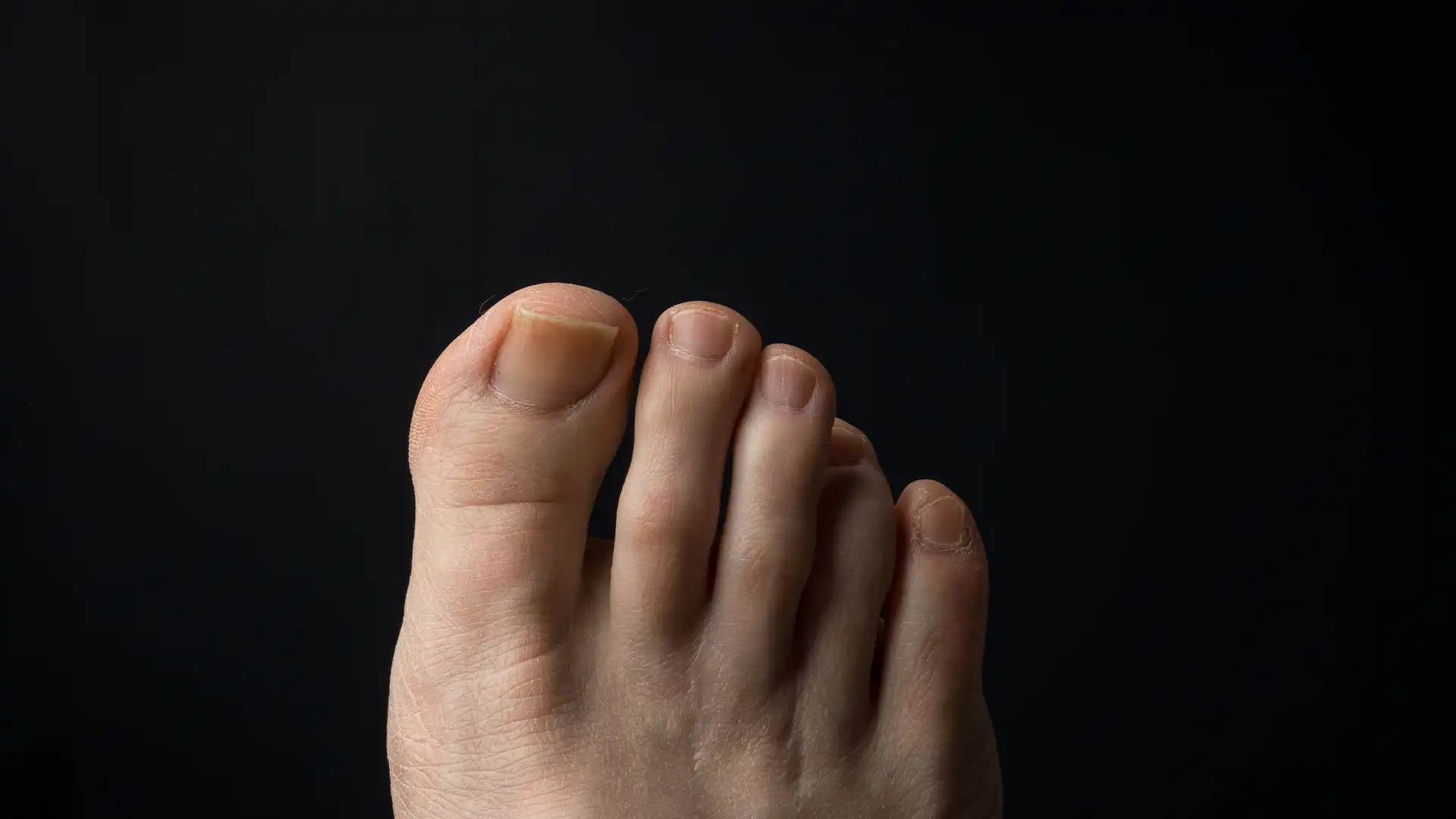
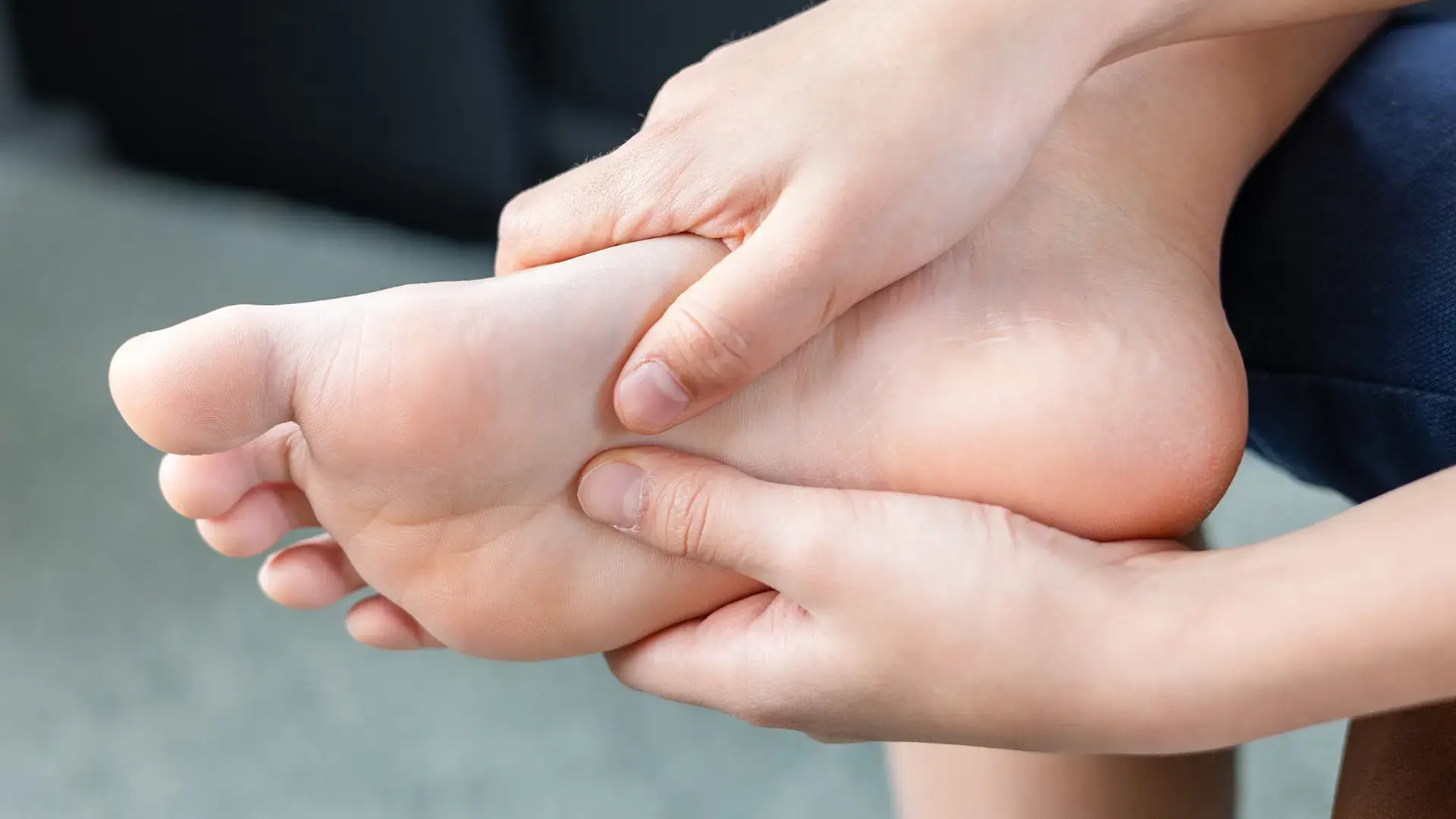
Whether you’re walking around the neighborhood, playing pickleball, or spending long days on your feet, forefoot pain can quickly take the enjoyment out of everyday movement. When discomfort forms in the ball of the foot, it may be more than simple soreness. This type of pain can be caused by Morton’s neuroma, a common condition that affects the forefront of the foot.
Understanding what Morton’s neuroma feels like and how it’s treated can help you address symptoms early and avoid ongoing pain.
What Is Morton's Neuroma?
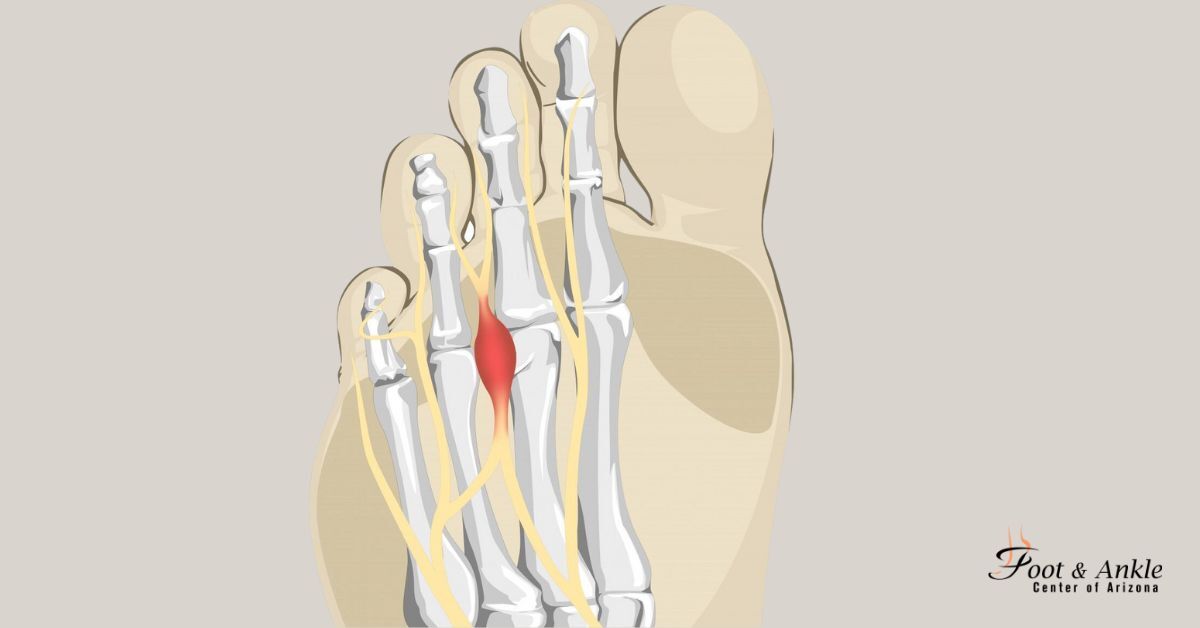
Morton’s neuroma occurs when tissue thickens around one of the nerves leading to the toes, most often located between the third and fourth toes. Despite the name, it is not a tumor. Instead, repeated pressure or irritation causes the nerve tissue to enlarge and become inflamed over time.
This thickening develops as the nerve becomes compressed between the bones of the forefoot during activity, including even standing. Because the forefoot absorbs impact with every step, the area is especially vulnerable to irritation.
When left undiagnosed, symptoms may become more frequent or intense as nerve irritation progresses.
How Do I Know If I Have Morton's Neuroma?
Morton’s neuroma tends to cause a very distinctive type of discomfort. Many patients describe the following neuroma symptoms:
- Sharp or burning ball of foot pain
- A feeling like standing on a marble or a small pebble
- Tingling or numbness that spreads into the toes
- Pain that worsens in tight shoes or high heels
- Relief when removing shoes or massaging the foot
Some people also notice a subtle clicking or popping sensation when walking as the irritated nerve moves between the metatarsal bones.
At first, symptoms may come and go. However, recurring nerve irritation typically becomes harder to ignore.
What Causes Morton's Neuroma to Develop?
Morton’s neuroma is usually caused by repetitive stress and pressure on the forefoot nerve, especially from walking or standing on hard surfaces for long periods. Several other factors can contribute, such as:
- Foot biomechanics: Conditions such as flat feet or high arches can increase nerve compression
- Footwear choices: Narrow shoes or high heels shift body weight forward, placing extra stress on the forefoot
- High-impact activities: Running and court sports involve repeated push-off movements, which can trigger pain, while other activities with tight footwear (rock climbing and skating) restrict the foot
Women are diagnosed with Morton’s neuroma more often than men, mostly due to shoe styles that squeeze the toes together and apply pressure.
Morton's Neuroma vs Other Forefoot Conditions
Not all forefoot pain is from Morton’s neuroma. An accurate diagnosis can help you learn if you have Morton’s neuroma or one of these other conditions:
- Metatarsalgia: Metatarsal pain leads to a dull aching or pressure across the ball of the foot, unlike nerve-related burning or tingling from Morton’s neuroma
- Capsulitis: Inflammation around a toe joint that often causes swelling and pain near the base of a toe
- Stress fractures: Create persistent, pinpoint pain that worsens with activity and may continue even when resting
- Plantar plate tears: Often involve toe instability or a sensation that the toe is shifting position
Because treatment approaches depend on the condition, a professional foot pain diagnosis—including physical examination and imaging—is essential for identifying the true source of pain.
Get Expert Morton's Neuroma Treatment in Scottsdale
Forefoot pain doesn’t have to become a long-term limitation. To get you back on your feet, care options may include footwear recommendations, biomechanical support, or targeted therapies. When surgery is necessary, modern techniques focus on relieving nerve compression while restoring comfort and function.
At The Foot and Ankle Center of Arizona, patients benefit from experienced podiatric specialists, advanced diagnostic capabilities, and individualized treatment plans tailored to all activity levels and needs.
Don’t adjust your lifestyle around forefoot pain. An expert evaluation can pinpoint the source of your discomfort and help you return to movement. Request an appointment with The Foot and Ankle Center of Arizona today.
 March 11, 2026
-optimized.webp)