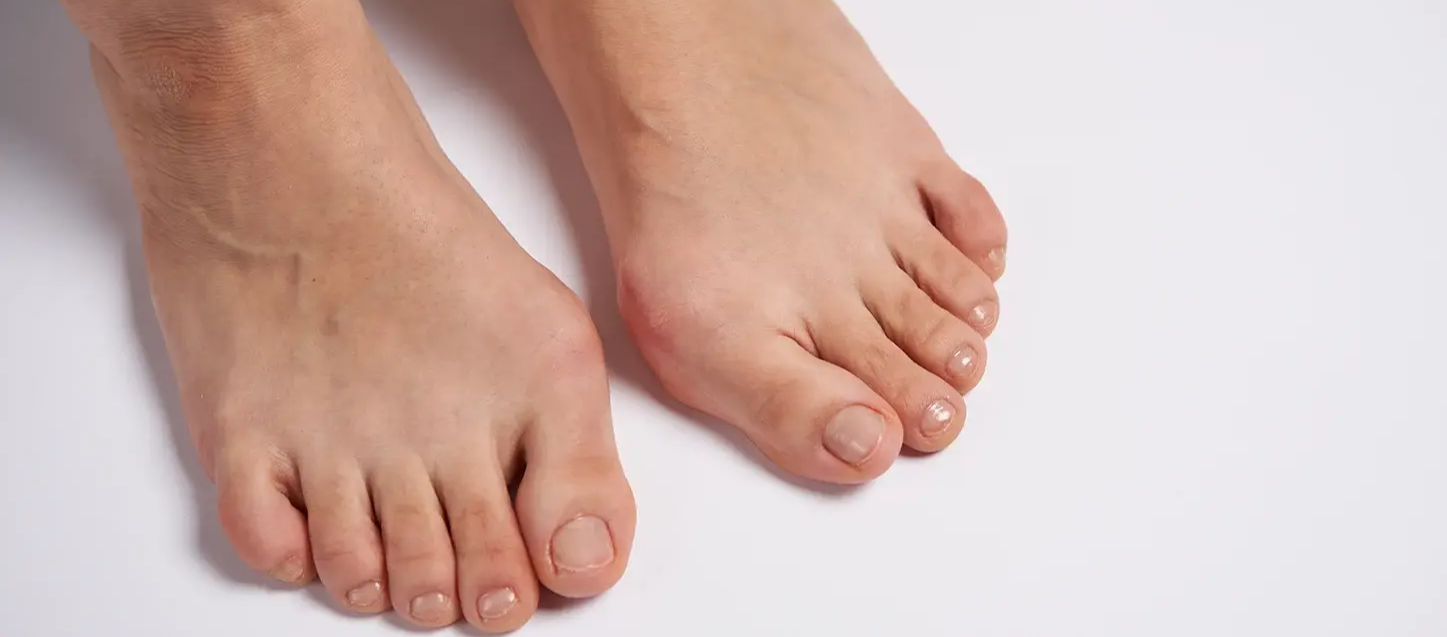
Choosing bunion surgery is a big decision — and at the Foot & Ankle Center of Arizona, we’re here to guide you every step of the way. From your first consultation through your final follow-up, our team provides personalized, evidence-based care to restore comfort, alignment, and long-term mobility.
Before Surgery: Your Personalized Plan
Your journey begins with a comprehensive consultation. During this visit, your surgeon will:
- Carefully examine your foot and evaluate your bunion deformity
- Review X-rays and discuss the severity and alignment of the joint
- Talk with you about your symptoms, lifestyle, activity goals, and footwear needs
- Answer all your questions about minimally invasive bunion surgery and whether it’s the right solution for you
Because every bunion is unique, your treatment plan is tailored specifically to you. As leaders in advanced and minimally invasive bunion techniques, Dr. Bishop and Dr. Varney design procedures that prioritize precise correction, stability, and faster recovery whenever possible.
Before surgery, you’ll also receive clear pre-operative instructions, including guidance on medications, medical clearance (if needed), and how to prepare your home for a smooth recovery.
During Surgery: Precision and Advanced Technique
On the day of your procedure, your surgeon and our experienced surgical team will ensure you feel comfortable and confident. The procedure is typically performed in an outpatient setting, meaning you’ll go home the same day. Depending on your specific case, anesthesia may include local anesthesia with sedation or general anesthesia. Your surgeon will then:
- Correct the alignment of the big toe joint
- Address the underlying structural cause of the bunion
- Use advanced fixation techniques to maintain stability
- Minimize soft tissue disruption whenever possible
After Surgery: Guided Recovery and Ongoing Support
Recovery is a gradual process, and we’ll be with you every step of the way. Immediately after surgery, you can expect:
- A protective surgical boot or dressing
- Detailed instructions on weight-bearing (which varies depending on your procedure)
- Guidance on swelling control, elevation, and icing
- Clear medication and wound-care instructions
Most patients can return home the same day and begin light activity per your surgeon’s recommendations. Follow-up visits are scheduled to monitor healing, remove sutures if needed, and ensure your alignment is progressing as planned.
As swelling improves and healing advances, you’ll gradually transition back into supportive footwear. In some cases, your surgeon may recommend physical therapy or home exercises to restore strength and flexibility.