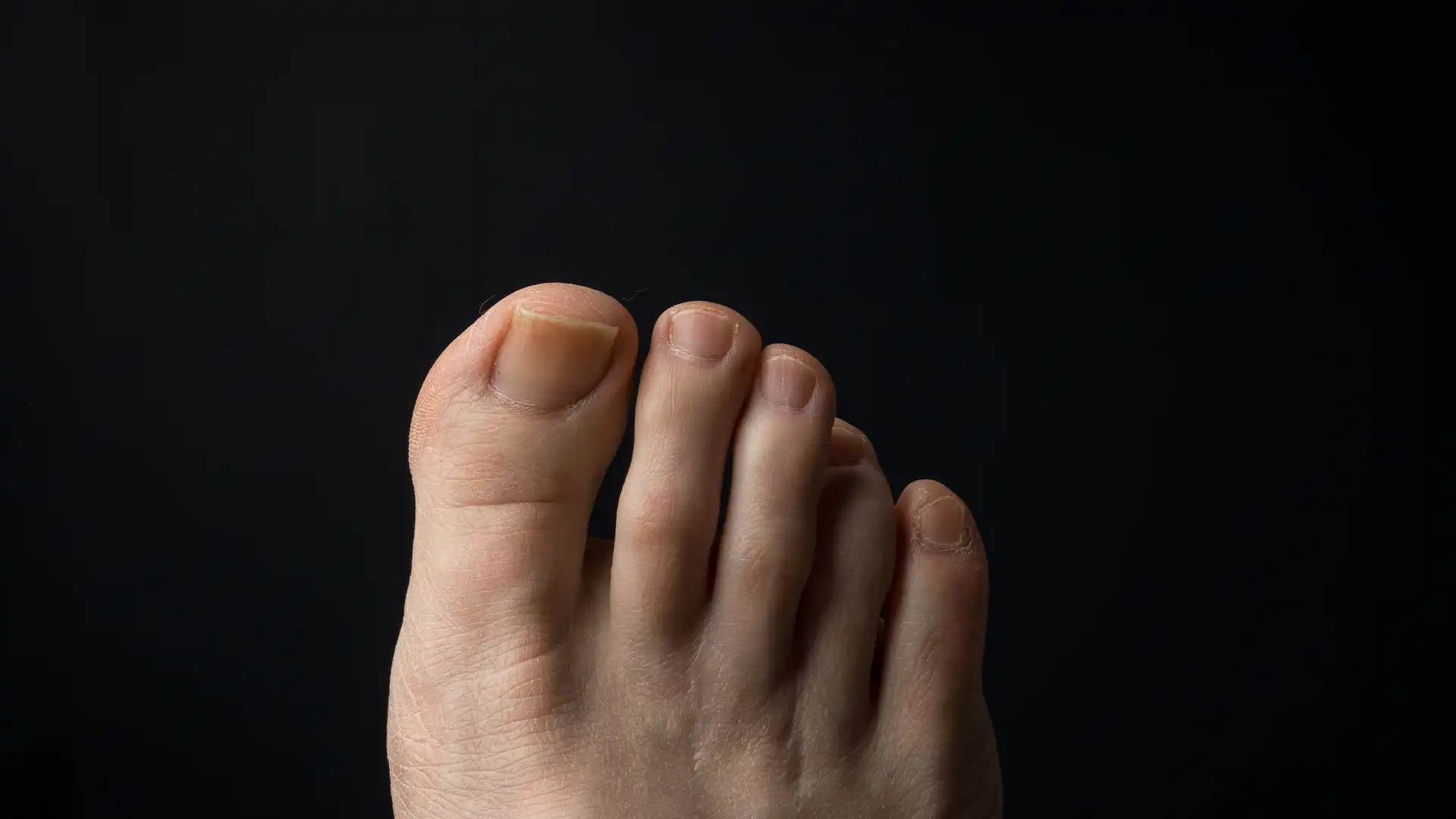
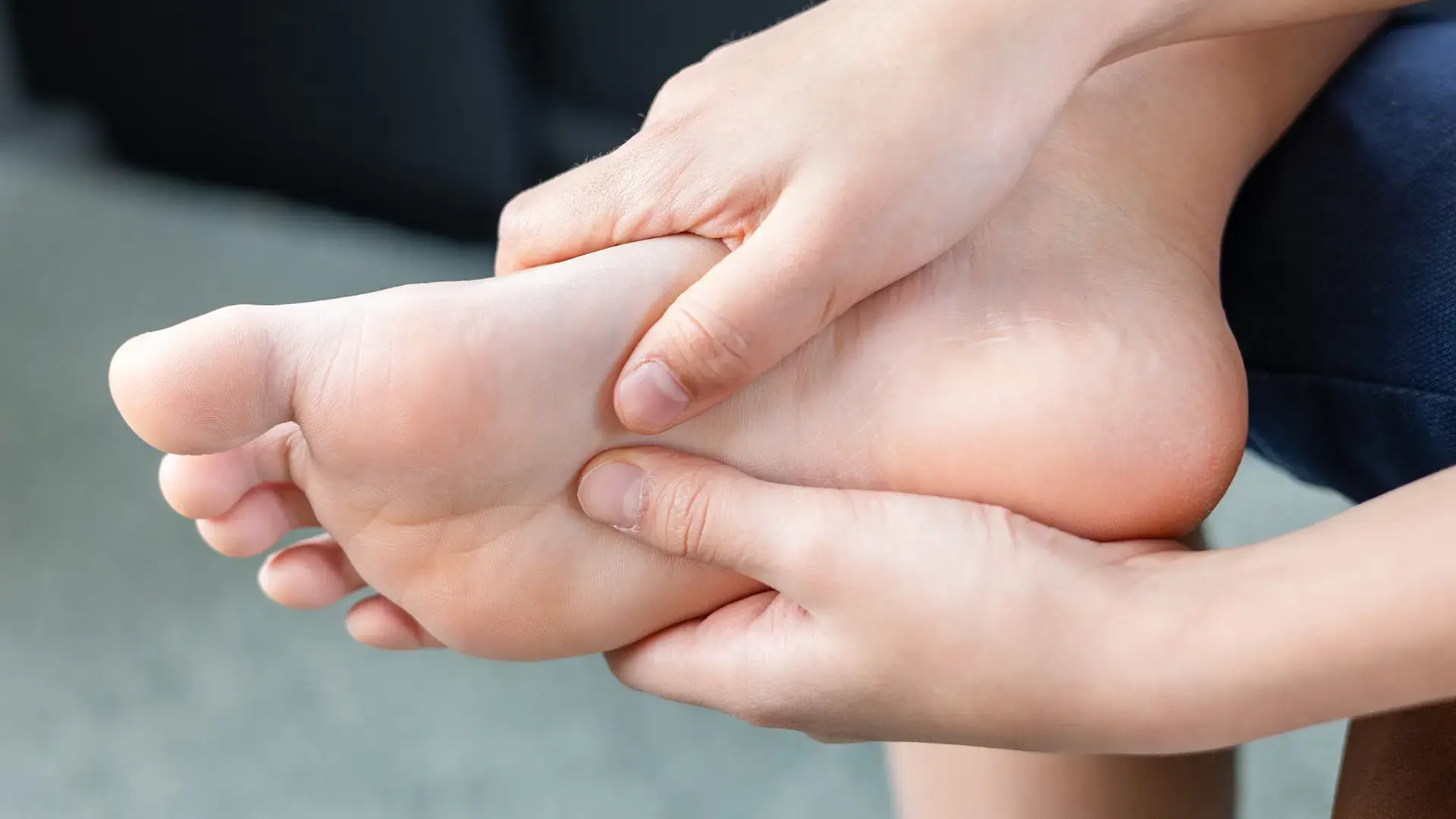
Pain in the ball of the foot can make everyday activities—walking, standing, exercising—uncomfortable or even difficult. Many people assume that forefoot pain automatically means Morton’s neuroma, a well-known nerve condition between the toes. While Morton’s neuroma is a common cause, it’s far from the only one.
Several conditions can lead to discomfort in the front of the foot, each requiring a slightly different treatment approach. Understanding the potential ball of foot pain causes is the first step toward effective relief and long-term foot health.
Why Does the Ball of Your Foot Hurt?
The ball of the foot, also called the forefoot, is a complex structure that absorbs impact and supports movement. It includes the metatarsal bones (five long bones), surrounding joints, ligaments, tendons, nerves, and cushioning fat pads that protect the bones during walking and running.
When one of these structures becomes irritated or damaged, the result is often metatarsalgia, a ball of foot pain, or another forefoot condition that produces similar symptoms.
When It's Not Morton's Neuroma
Morton’s neuroma is widely recognized as a cause of burning or tingling pain between the toes. However, many patients are surprised to learn that several other conditions can produce nearly identical discomfort in the ball of the foot.
Inflammation, bone stress injuries, joint instability, and ligament damage can all affect the forefoot. Because these conditions share overlapping symptoms, accurate diagnosis is essential for determining the most appropriate treatment.
What Is Metatarsalgia and How Does It Cause Ball of Foot Pain?
The medical explanation for forefoot pain is metatarsalgia, although it is more of a description, not a distinct diagnosis. If you’re wondering what metatarsalgia is, it refers to inflammation and pain in the metatarsal region—the area directly beneath the ball of the foot.
Metatarsalgia symptoms often include:
- Sharp or aching pain beneath the ball of the foot.
- Increased forefoot discomfort during walking, running, or standing.
- A burning sensation in the forefoot.
- Pain that improves with rest but returns during activity.
Patients report feeling as if they’re stepping on a small pebble or bruise under the foot.
Metatarsalgia Causes and Risk Factors
Several factors can contribute to the development of metatarsalgia, particularly activities or conditions that increase pressure on the forefoot.
Common triggers include:
- High-impact sports, including running or jumping.
- Improper footwear, especially high heels or narrow shoes.
- Structural foot abnormalities, such as high arches or long metatarsals.
- Excess body weight that increases pressure on the forefoot.
Although symptoms may feel similar, metatarsalgia differs from Morton’s neuroma in both cause and location. Metatarsalgia typically produces broader pain under the ball of the foot, while Morton’s neuroma often causes nerve-related symptoms between the toes.
Could It Be Sesamoiditis or a Stress Fracture?
Another possible cause of ball of foot pain involves the sesamoid bones—two small bones located beneath the big toe joint. Sesamoiditis occurs when the sesamoid bones or their surrounding tendons become inflamed due to repetitive stress. This condition is especially common in athletes and dancers who frequently push off from the front of the foot.
Typical symptoms include:
- Gradual pain under the big toe joint.
- Increased discomfort during push-off movements.
- Tenderness when pressure is applied to the area.
Because the pain is localized beneath the big toe, it may initially feel similar to metatarsalgia but usually centers closer to the first metatarsal.
Metatarsal Stress Fractures
Stress fractures are tiny cracks that develop in the metatarsal bones due to repetitive stress or overuse without adequate recovery time. Pain usually starts gradually and becomes more severe with continued activity.
Risk factors for metatarsal stress fractures include:
- Sudden increases in training intensity.
- Osteoporosis or reduced bone density.
- Improper footwear or inadequate support.
Left untreated, stress fractures can worsen and lead to prolonged recovery periods.
Other Conditions That Cause Ball of Foot Pain
Because forefoot pain can stem from multiple conditions, comparing symptoms can help highlight key differences.
| Condition |
Pain Location |
Key Symptom |
Typical Patient Profile |
| Metatarsalgia |
Ball of foot across metatarsals |
Aching or burning pain that worsens with activity |
Runners, active adults, people wearing high heels |
| Sesamoiditis |
Beneath the big toe joint |
Pain during push-off movements |
Athletes, dancers |
| Stress Fracture |
Specific metatarsal bone |
Localized pain that worsens with activity |
Runners, military personnel, and people with sudden training increases |
| Capsulitis |
Base of the second toe |
Swelling and joint instability |
Individuals with abnormal foot mechanics |
| Freiberg's Disease |
Second metatarsal head |
Joint pain and stiffness |
Adolescents or young adults |
| Plantar Plate Tear |
Base of the second toe |
The feeling of walking on a marble or a bunched sock |
Athletes or people with forefoot overload |
Get an Accurate Diagnosis for Your Ball of Foot Pain in Arizona
Accurate diagnosis is crucial for effective treatment of metatarsalgia, as various conditions can cause similar symptoms. A thorough evaluation can determine if pain stems from joint inflammation, nerve compression, or structural injury.
Treatment may involve activity modification, custom orthotics, footwear adjustments, targeted exercises, or advanced therapies. Some patients may experience immediate relief through offloading techniques that reduce pressure on the forefoot.
If you have persistent ball of foot pain, schedule an evaluation to identify the cause and create an effective treatment plan to get you back to your activities sooner.

 April 17, 2026
-optimized.webp)