

 April 24, 2026
If you’ve recently injured your ankle, you may be wondering: Is this just a sprain—or could it be something more serious? The pain, swelling, and difficulty walking can feel overwhelming, especially when you’re unsure what type of injury you’re dealing with or how long recovery might take.
Ankle fractures are common, but no two injuries are exactly alike. The type of fracture, the severity, and the right treatment plan can vary widely from person to person. Understanding what’s going on—and what to expect next—can make a stressful situation feel much more manageable.
In this guide, we’ll walk you through the different types of ankle fractures, how they’re treated, and what recovery typically looks like—so you can take the next steps with confidence.
What Is an Ankle Fracture and How Does It Happen?
An ankle fracture refers to a break in one or more of the bones that make up the ankle joint: the tibia, fibula, and talus. You may hear terms like “fracture,” “break,” or even “crack”—these all mean the same thing: the bone has been damaged.
Most ankle fractures occur due to:
- Twisting or rolling injuries (often mistaken for a sprained ankle vs broken ankle)
- Falls or missteps
- Sports-related impacts
- Motor vehicle accidents
Certain risk factors can also increase your likelihood of injury, including osteoporosis, prior ankle instability, and participation in high-impact activities or high energy injuries such as motor vehicle accidents.
What Are the Different Ankle Fracture Types?
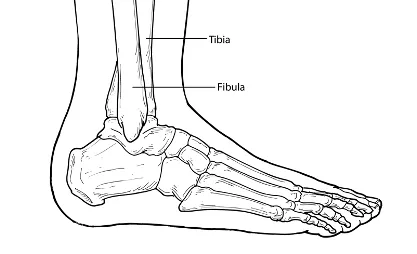
Ankle fractures are classified based on which bones are involved and the severity of the injury.
Lateral Malleolus Fracture (Outer Ankle)
This is the most common type of ankle fracture, involving the fibula on the outer side of the ankle. These injuries can range from mild to severe. Stable fractures may be treated without surgery, while displaced fractures often require surgical stabilization.
Medial Malleolus and Bimalleolar Fractures (Inner Ankle)
A medial malleolus fracture affects the inner portion of the tibia and is more likely to require surgery due to joint instability.
The more severe injuries include:
- Bimalleolar fractures: In which two bones are broken
- Trimalleolar fractures: In which three areas of the ankle are involved
These injuries typically require surgical repair to restore proper alignment and function.
Stress Fractures and Avulsion Fractures
Not all ankle fractures result from a single traumatic event.
- Stress fractures develop gradually due to repetitive stress or overuse
- Avulsion fractures occur when a ligament pulls a small piece of bone away from the ankle
Both can cause persistent pain and should be evaluated by a specialist.
Ankle Fracture Treatment: Surgical vs Non-Surgical Options
The right treatment for you depends on the type, severity, and alignment of the fracture.
Non-Surgical Treatment
If your fracture is stable and non-displaced, it may be treated conservatively with:
- Casting or bracing
- Walking boots
- Limited or non-weight-bearing activity
In these instances, patients are typically immobilized for several weeks, with follow-up imaging to ensure proper healing. This approach is often effective when the bones remain aligned.
Surgical Fixation
For more complex or displaced fractures, surgery is often considered. This involves stabilizing the bones with plates, screws, or rods to restore alignment and joint function.
Surgery may be recommended based on:
- Degree of the displacement
- Joint instability
- The number of bones involved
After surgery, patients can expect a period of immobilization followed by gradual weight-bearing and rehabilitation.
Broken Ankle Recovery Time: What to Expect
A common question patients ask is: how long does a broken ankle take to heal? While recovery varies, most fractures take 6–12 weeks to heal initially and up to 12 months for complete recovery.
-
Non-surgical recovery: Often quicker, with a gradual return to activity
- Surgical recovery: May take longer due to tissue healing and rehabilitation
Physical therapy also plays a critical role in restoring strength, flexibility, and balance. Full recovery—including return to sports—can take several months depending on the injury severity.
If you’re also wondering, can you walk on a broken ankle?—the answer is sometimes yes, but it’s not safe. Walking on an untreated fracture can worsen the injury and delay healing. Persistent pain, swelling, or instability are key broken ankle symptoms that should never be ignored.
Get Expert Ankle Fracture Care in Scottsdale
At the Foot & Ankle Center of Arizona, our board-certified and fellowship-trained surgeons specialize in both conservative and surgical fracture care. We take a patient-first, evidence-based approach—tailoring treatment plans to your specific injury, lifestyle, and recovery goals.
If you’re experiencing symptoms of a broken ankle or are unsure whether it’s a sprain vs broken ankle, schedule an evaluation today. Early care makes all the difference.

-optimized.webp)