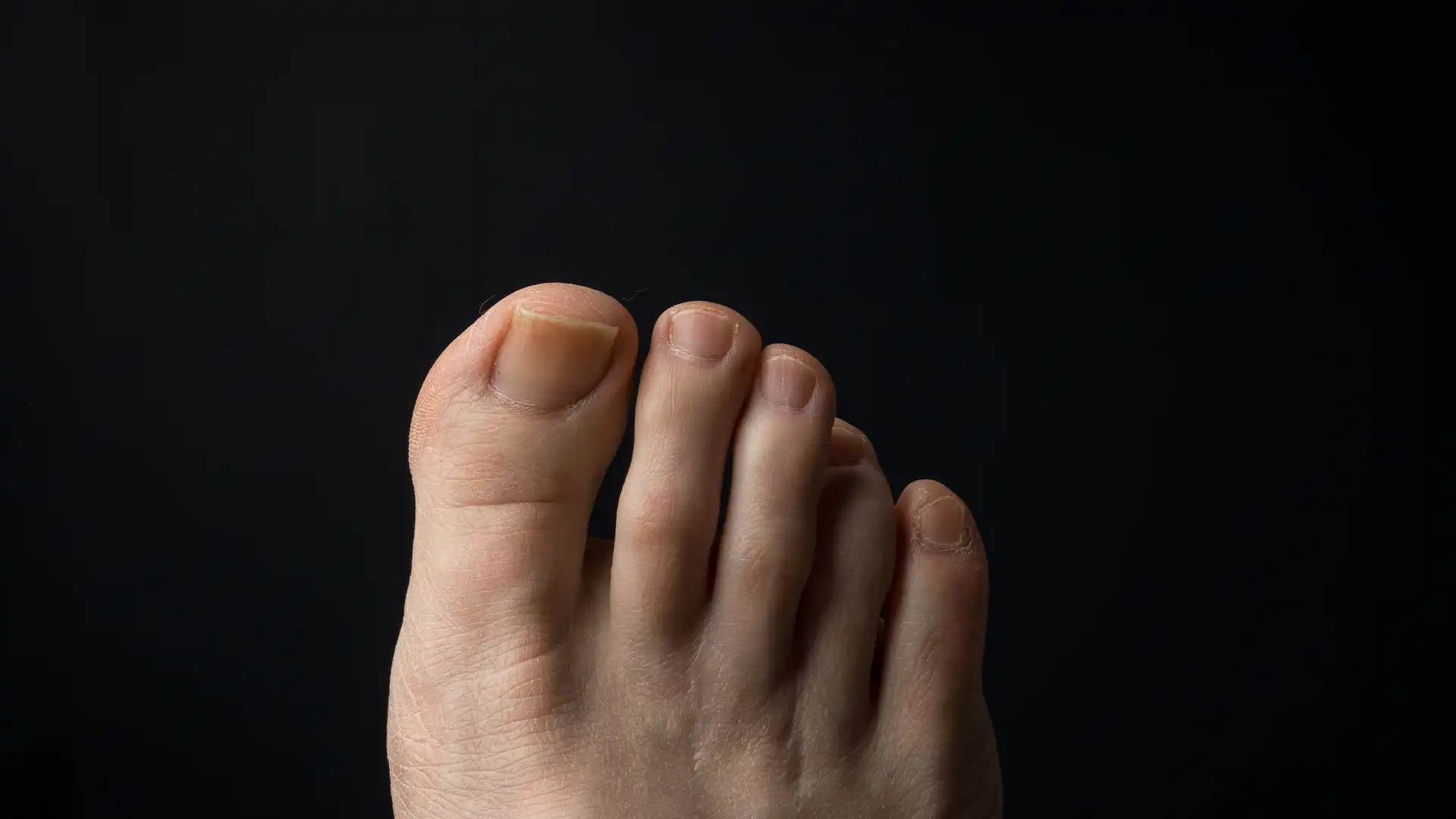
A small bump along the outside of your foot might not seem like a big deal at first—until it starts making every step uncomfortable. If soreness near your little toe sounds familiar, you may be dealing with a tailor’s bunion. While the condition may start as a mild irritation, it can lead to persistent discomfort, swelling, and difficulty wearing certain shoes.
At the Foot & Ankle Center of Arizona, our board-certified podiatrists provide comprehensive care for tailor’s bunions, helping patients find relief and return to comfortable movement.
What Is a Tailor's Bunion and How Does It Differ from Regular Bunions?
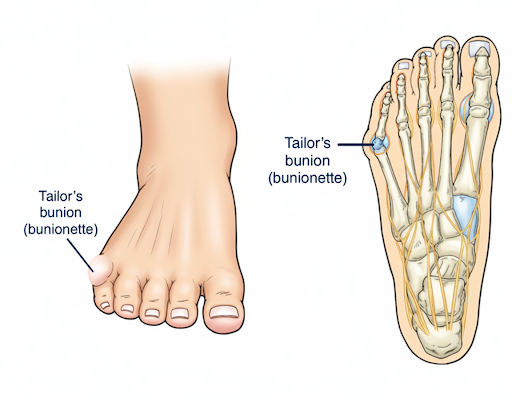
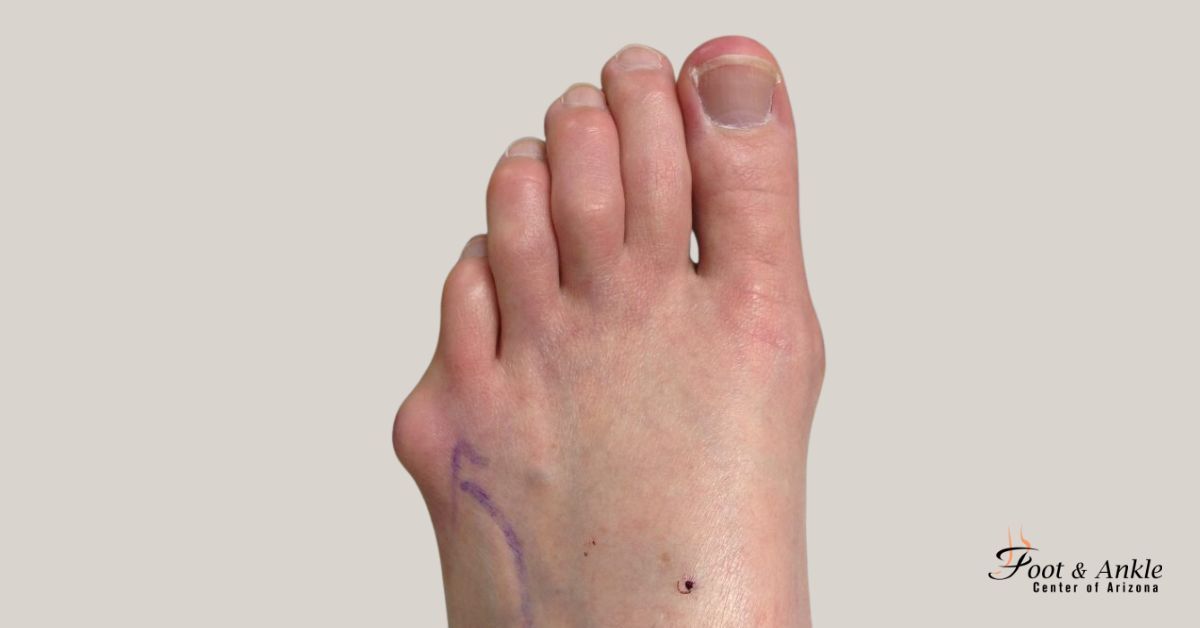
A tailor’s bunion is a bony bump that develops at the base of the fifth metatarsal bone, near the pinky toe. It’s different from a traditional bunion because tailor’s bunions occur on the outside of the foot.
You may also hear it referred to as a bunionette, meaning a smaller bunion, or a fifth toe bunion. The name “tailor’s bunion” dates back centuries, when tailors would sit cross-legged while working. The constant pressure along the outer edge of the foot triggered the development of these bumps.
While smaller than a typical bunion, a bunionette can still cause significant foot pain. As the bone shifts outward, the little toe may tilt inward toward the fourth toe, creating friction inside shoes and irritation in the surrounding tissues.
What Causes Tailor's Bunions to Develop?
Genetics often plays a role in the formation of a tailor’s bunion. Some people inherit foot shapes or bone structures that make bunionettes more likely to develop over time.
Footwear choices can also contribute. If you wear narrow or tight shoes, it may place repeated pressure on the outer side of the foot.
Tailor’s bunions can also be caused by:
- Foot biomechanics, such as overpronation
- Certain foot structures, including wide forefeet or curved fifth metatarsals
- Toe alignment issues, which apply pressure on the outer foot
- Age-related changes that affect joint alignment and ligament stability
How Do I Know If I Have a Tailor's Bunion?
A tailor’s bunion often begins with a visible bump on the outside of the foot near the little toe. It can be subtle at first, but over time, symptoms may become more noticeable.
Our patients typically report the following symptoms:
- A small bony bump at the base of the fifth toe
- Pain or tenderness along the outside of the foot
- Redness or swelling around the joint
- Difficulty fitting comfortably into shoes
- Pressure or irritation when walking or standing
Pain often worsens when wearing narrow footwear or during prolonged activity.
Non-Surgical Treatment Options for Tailor's Bunions
Many patients find relief through conservative treatments. Common non-surgical approaches include:
- Supportive footwear: Shoes with a wide toe box help avoid friction against the bunionette and provide space for the toes to move naturally.
- Padding and protective devices: Gel pads or cushions can ease irritation and minimize pressure from footwear.
- Custom orthotics: Prescription orthotics may help correct foot mechanics by redistributing weight and reducing stress on the outer foot.
- Anti-inflammatory treatments: Ice therapy, oral medications, or topical anti-inflammatories may bring down swelling and alleviate discomfort.
- Activity modification: Limiting repetitive pressure on the foot during flare-ups can allow inflamed tissues to settle.
It’s important to remember that these treatments don’t correct the underlying position of the bone. When pain becomes part of daily life or the bunionette progresses, it may be time to consider surgical treatment.
Minimally Invasive Bunion Treatment Options
Today, many patients benefit from minimally invasive procedures that address the underlying bone misalignment through small incisions.
One option we offer at the Foot & Ankle Center of Arizona is the Bunionplasty® procedure. This minimally invasive bunion surgery technique allows our surgeons to realign the bone while limiting disruption to surrounding tissues.
Compared with traditional bunion surgery, minimally invasive techniques offer many advantages, such as:
- Smaller incisions
- Less soft tissue damage
- Reduced post-operative pain
- Earlier return to comfortable walking
Recovery timelines depend on the severity of the tailor’s bunion and the specific procedure performed. Still, many patients return to their daily activities sooner than with traditional open surgery.
Get Expert Tailor's Bunion Care in Scottsdale
If a tailor’s bunion is starting to affect your comfort or mobility, the right treatment can help you get back to walking and staying active without pain.
At the Foot & Ankle Center of Arizona, experienced podiatrists provide individualized evaluations to determine the best approach for each patient. Treatment plans may include conservative therapies, custom orthotics, or advanced surgical options such as minimally invasive bunion procedures.
Schedule a consultation with the Foot & Ankle Center of Arizona in Scottsdale to guide your next steps.
.webp?width=1920&height=1080&name=Aligned%20-%20FACA%20-%20Blog%20-%20Tailors%20Bunion%20(Bunionette).webp)
 March 20, 2026
-optimized.webp)