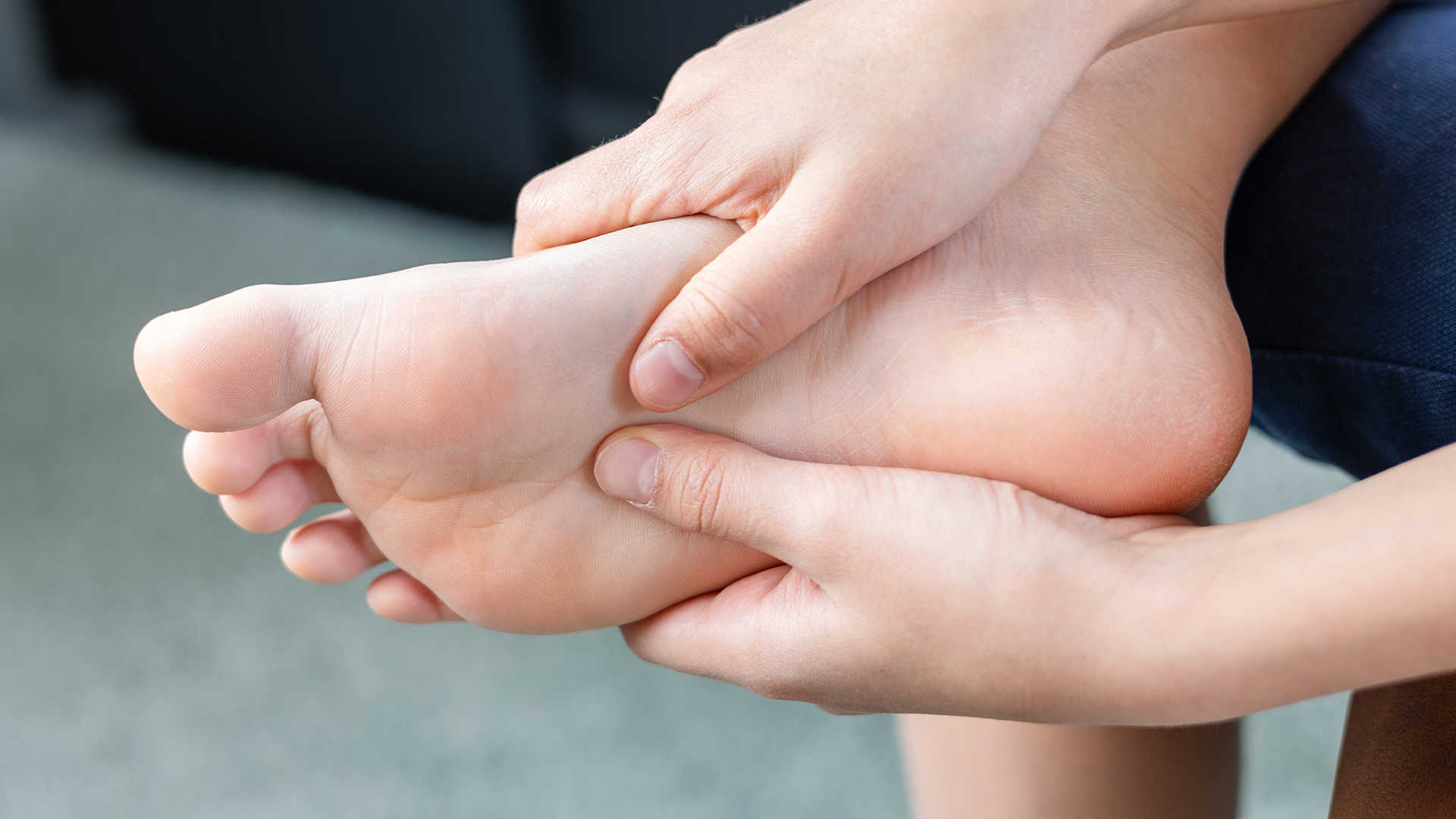
Morton’s neuroma is a common cause of persistent foot nerve pain, but the good news is that effective Morton's neuroma treatment options exist. Choosing between injection therapy and surgery depends on several factors, including how severe your symptoms are, how you’ve responded to conservative treatments, and your activity level.
When Conservative Treatments Aren't Enough
Some people find relief with conservative approaches, such as wearing custom orthotics or managing discomfort with anti-inflammatory medications. However, the nerve may remain irritated despite your best efforts. When that happens, more advanced Morton's neuroma treatment—like injections or surgery—can help you get your life back.
Injection therapy works best for mild to moderate Morton's neuroma and offers quick recovery, while surgery is recommended for severe or persistent cases when other treatments haven't provided lasting relief.
"The key is not to give up after trying one or two conservative approaches," says Kris A. DiNucci, DPM, FACFAS, and founder of the Foot & Ankle Center of Arizona. "We specialize in multiple treatment options, and finding the right combination for each patient often makes the difference between ongoing frustration and meaningful relief."
Injection Therapy for Morton's Neuroma
Injection therapy for Morton's neuroma delivers medicine right where you need it—directly to the irritated nerve—without requiring surgery.
Injection treatment options include:
- Corticosteroid injections to calm down the inflammation around the nerve. Many patients get weeks or even months of relief, especially when they pair injections with better shoes and supportive inserts.
- Alcohol sclerosing injections are given as a series of treatments over time. They work by gradually quieting the nerve's pain signals, and for some people, the results can last a long time—sometimes as effectively as surgery.
Surgical Treatment for Morton's Neuroma
Morton's neuroma surgery is typically recommended when:
- Other treatments haven't provided adequate relief
- Pain significantly limits daily activities
- The neuroma is large or long-standing
- You want a more permanent solution
Surgical options include:
- Neuroma excision means removing the thickened part of the nerve through a small incision. By taking out the source of the problem, this approach can provide lasting relief.
- Nerve decompression releases the tight tissue that is squeezing the nerve without removing the nerve itself. For some patients, this relieves pain while keeping a more normal feeling in the toes.
"Surgery isn't the first step, but when conservative measures haven't provided adequate relief, it can be life-changing," explains Dr. DiNucci. "I've seen patients who've been limiting their activities for years finally get back to hiking, running, and simply wearing the shoes they want to wear."
After surgery, you can expect to engage in protected weight-bearing using special footwear and to limit your activities for the first few weeks. Gradually, you’ll be able to return to full activity. Most individuals experience a full recovery within a few weeks to a few months.
Injection Therapy vs. Surgery: Side-by-Side Comparison
Still weighing your options? Here's a quick breakdown of how injection therapy and surgery compare:
|
Factor
|
Injection Therapy
|
Surgery
|
|
How It's Done:
|
In the office, no incision
|
Operating room with a small incision
|
|
Recovery Time:
|
Back to normal quickly
|
A few weeks to a few months
|
|
How Long Relief Lasts:
|
Weeks to months
|
Often years or permanent
|
|
Best For:
|
Mild to moderate pain, or if you want to avoid surgery
|
Severe pain that hasn't responded to other treatments
|
How a Podiatrist Helps You Make the Right Choice
Understanding all your treatment options is essential, and you don't have to figure it out alone. At the Foot & Ankle Center of Arizona, Dr. DiNucci and our team of board-certified podiatrists and fellowship-trained surgeons have helped countless patients find relief from nerve-related foot pain. We always start with the gentlest, least invasive options first, and only recommend surgery when we truly believe it gives you the best chance for lasting relief.
Ready to Feel Better?
Foot nerve pain from Morton's neuroma shouldn't control your life. We'll create a personalized treatment plan that makes sense for your lifestyle—whether that's conservative care, injection therapy for Morton's neuroma, or surgery for Morton's neuroma.
Schedule a consultation today and take the first step toward comfortable, confident movement again.
 February 6, 2026
-optimized.webp)