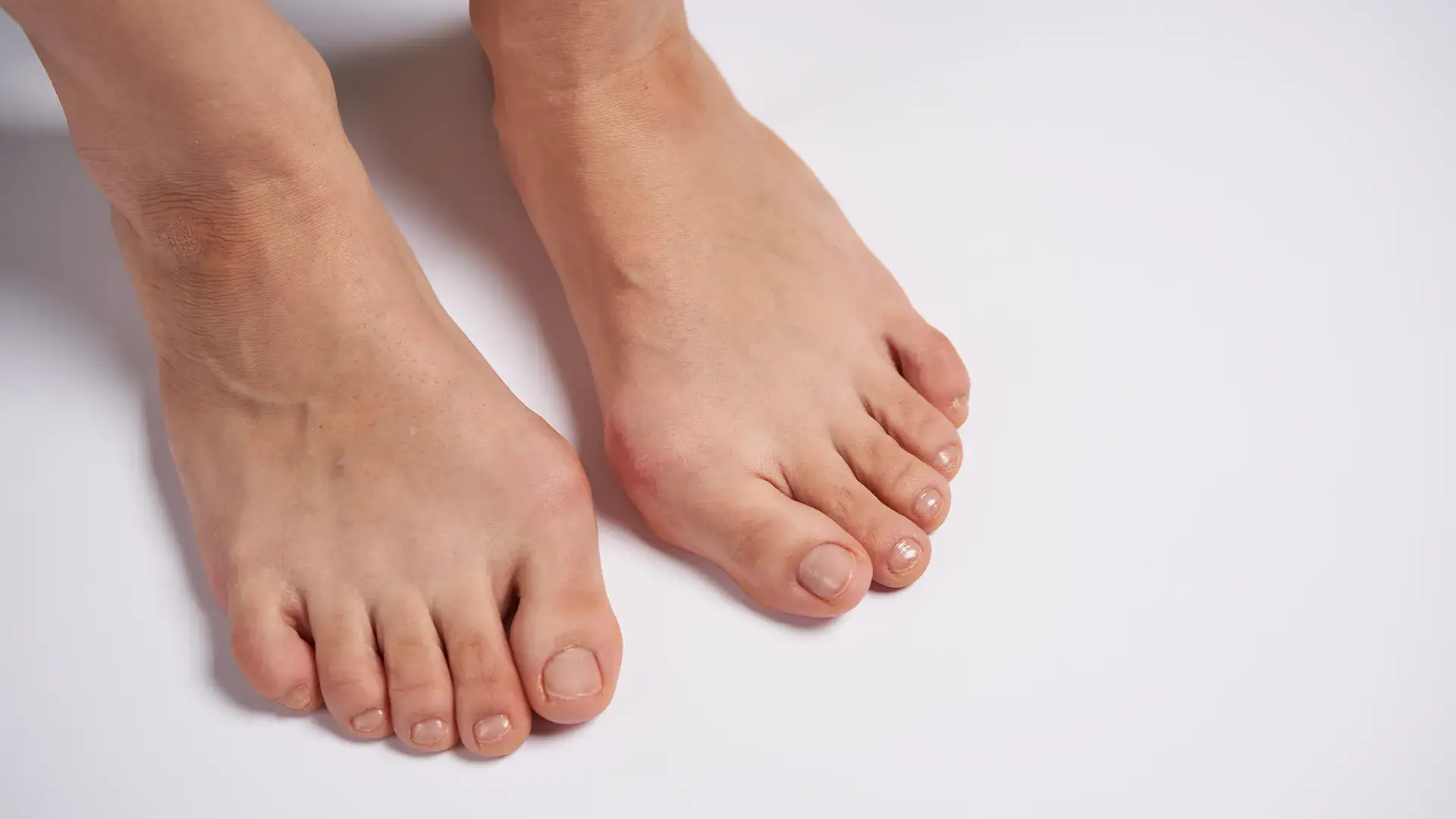
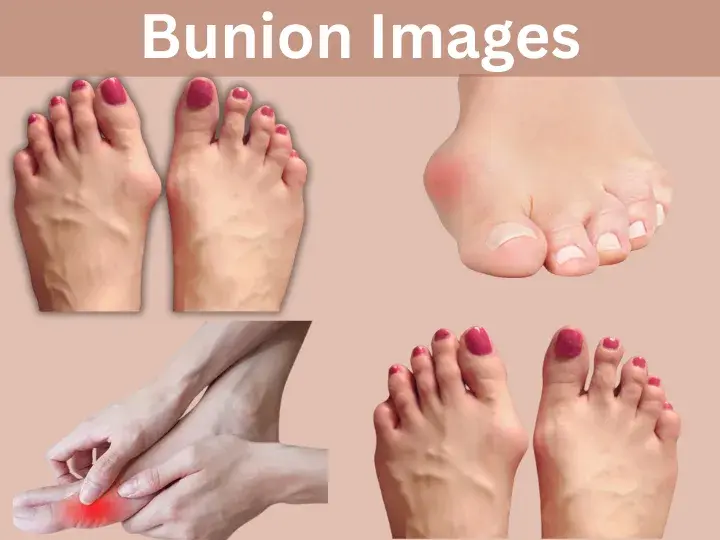
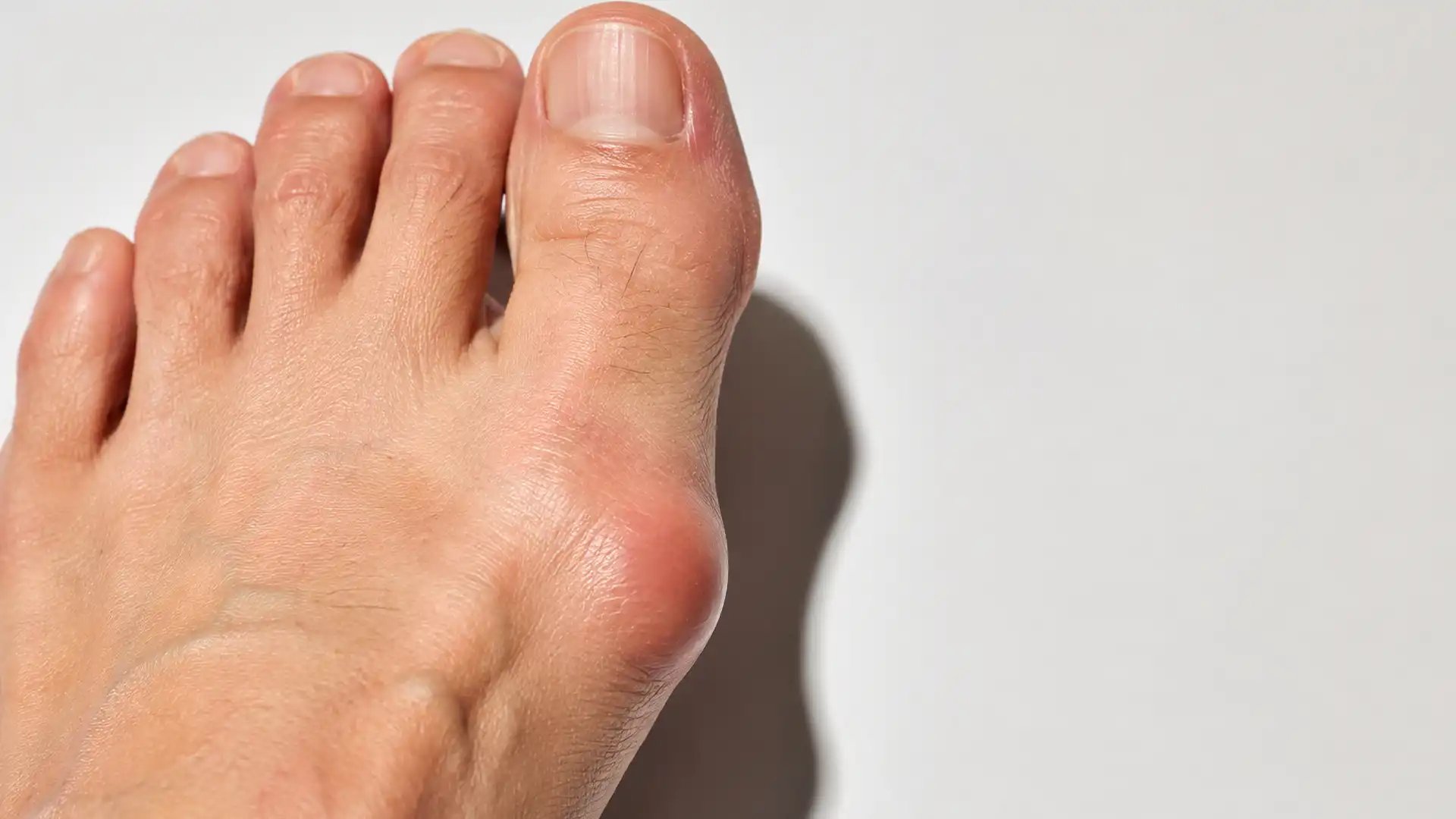
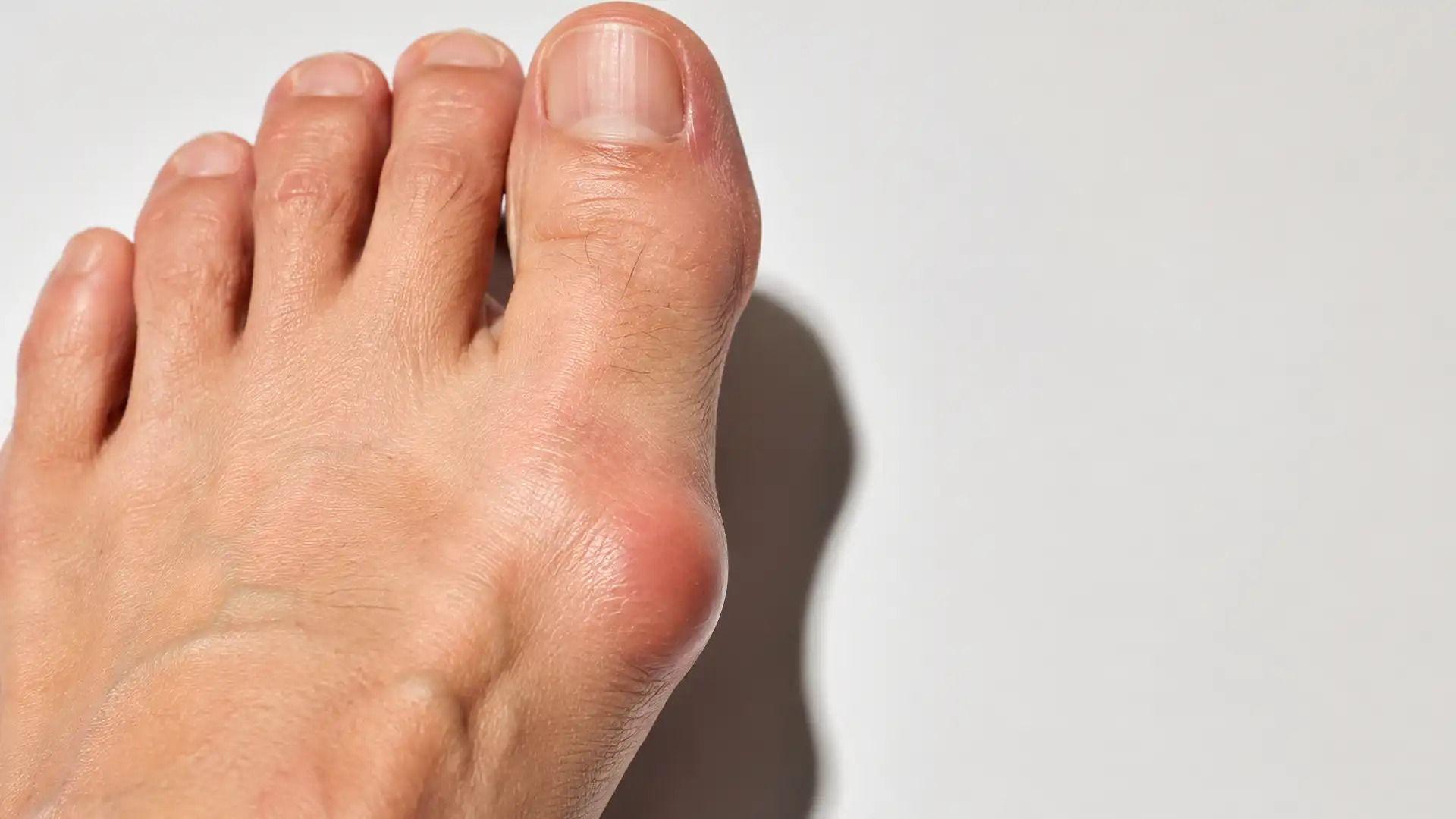
A bunion is far more than an unsightly bump on the side of your foot—it is a progressive structural shift of the big toe joint (hallux valgus) that can turn walking, exercising, or finding comfortable shoes into a daily challenge. Many people put off treatment for years out of fear of a painful, disruptive recovery.
However, modern podiatric medicine has evolved. If you’re wondering, "How do I know if I need bunion surgery?" advanced surgical solutions like Bunionplasty® offer a gentler, highly effective path toward realigning your foot. Determining whether you’re a candidate for bunion surgery in Arizona begins with understanding how this specific technique works and what sets it apart.
What Is Bunionplasty® (Minimally Invasive Bunion Surgery)?
Our minimally invasive bunion surgery technique, called a Bunionplasty®, is a modern approach for hallux valgus correction. Developed and refined by nationally recognized specialist Dr. Kris A. DiNucci, founder of the Foot & Ankle Center of Arizona, this technique realigns the underlying metatarsal bone through tiny micro-incisions rather than a single long cut.
Using specialized micro-instruments and state-of-the-art fixation, a board-certified podiatric surgeon shifts the bone back into proper anatomical alignment while preserving surrounding soft tissue, joints, and tendons. The benefits of this procedure include far less disruption to the surrounding skin and muscle, minimal scarring, less post-operative swelling, and a significantly smoother recovery.
Signs You May Be a Candidate for Minimally Invasive Bunion Surgery
While non-surgical treatments like custom orthotics, wide toe-box shoes, and padding can manage early symptoms, they cannot reverse the structural deformity. You may be an ideal candidate for minimally invasive bunion surgery in Arizona if you experience:
- Persistent Joint Pain: Deep, aching pain or stiffness in the big toe joint that interferes with daily walking, standing, or physical activity.
- Footwear Limitations: Difficulty fitting into normal shoes or severe pain when wearing closed-toe shoes due to pressure against the prominent bone.
- Unsuccessful Conservative Care: Continued pain despite wearing wider shoes, using orthotics, or taking anti-inflammatory medications.
- Progressive Toe Misalignment: The big toe is visibly drifting inward toward your second toe, which may lead to secondary issues such as hammer toes, corns, or calluses.
- Quicker Recovery Desired: You want to avoid prolonged immobility, casts, or crutches and prefer a procedure that enables a faster return to daily movement.
Bunionplasty vs. Traditional Bunion Surgery
Understanding the differences between an open or traditional bunionectomy vs. minimally invasive bunionplasty comes down to technique, tissue disruption, and rehabilitation.
| Feature |
Traditional Bunion Surgery |
Bunionplasty® (Minimally Invasive) |
| Incisions |
Single large incision (3–5 inches) |
A series of tiny micro-incisions |
| Tissue Impact |
High soft-tissue and joint capsule disruption |
Minimal soft-tissue disruption |
| Recovery Mobility |
Weeks in a cast/boot, often requiring crutches |
Same day walking after bunion surgery in a surgical sandal |
| Scarring |
Prominent, visible surgical scar |
Hard-to-see, microscopic incision marks |
| Surgical Setting |
Inpatient or outpatient hospital stay |
Convenient outpatient foot surgery |
What to Expect: Consultation Through Recovery
Choosing to correct your bunion is an important step toward long-term mobility. Here is what your treatment journey looks like:
- Comprehensive Evaluation: Your consultation includes a physical exam and weight-bearing X-rays to assess the severity of the joint drift and determine your specific anatomical needs.
- Outpatient Procedure: Surgery is performed in a state-of-the-art outpatient center under gentle sedation and local anesthesia, allowing you to return home the very same day.
- Accelerated Healing: Thanks to modern fixation technology, most patients walk the same day after bunion surgery while wearing a protective post-operative shoe.
- Streamlined Recovery Timeline: Typically, minimally invasive bunion surgery recovery time is noticeably shorter than traditional approaches, with most patients transitioning back into supportive athletic shoes around 6 weeks post-op.
Frequently Asked Questions
Is minimally invasive bunion surgery right for severe bunions, or only mild ones?
Minimally invasive techniques like Bunionplasty® are highly versatile and effective for mild, moderate, and many severe bunion deformities. During your initial consultation, your surgeon will evaluate weight-bearing X-rays to confirm whether the minimally invasive approach will provide the structural stability your foot requires.
Can both feet be corrected in one minimally invasive bunion surgery?
Yes. Because the Bunionplasty® technique involves minimal soft-tissue disruption and allows for immediate weight-bearing in surgical sandals, many patients choose to have both feet corrected during a single outpatient procedure, consolidating their overall recovery time.
Schedule a Bunion Evaluation with Our Arizona Foot Specialists
You do not have to live with chronic foot pain or hide your feet because of a painful bunion deformity. Whether you’re looking for a trusted foot doctor for Phoenix bunion surgery or need an expert bunion surgeon in Scottsdale, AZ, the Foot & Ankle Center of Arizona provides compassionate, world-class care tailored to your lifestyle.
With convenient office locations serving patients in Gilbert, Peoria, Phoenix, and Scottsdale, our experienced board-certified podiatric surgeons can help you take pain-free steps again. Schedule your Bunionplasty® consultation with the Foot & Ankle Center of Arizona today.
 August 28, 2026
-optimized.webp)