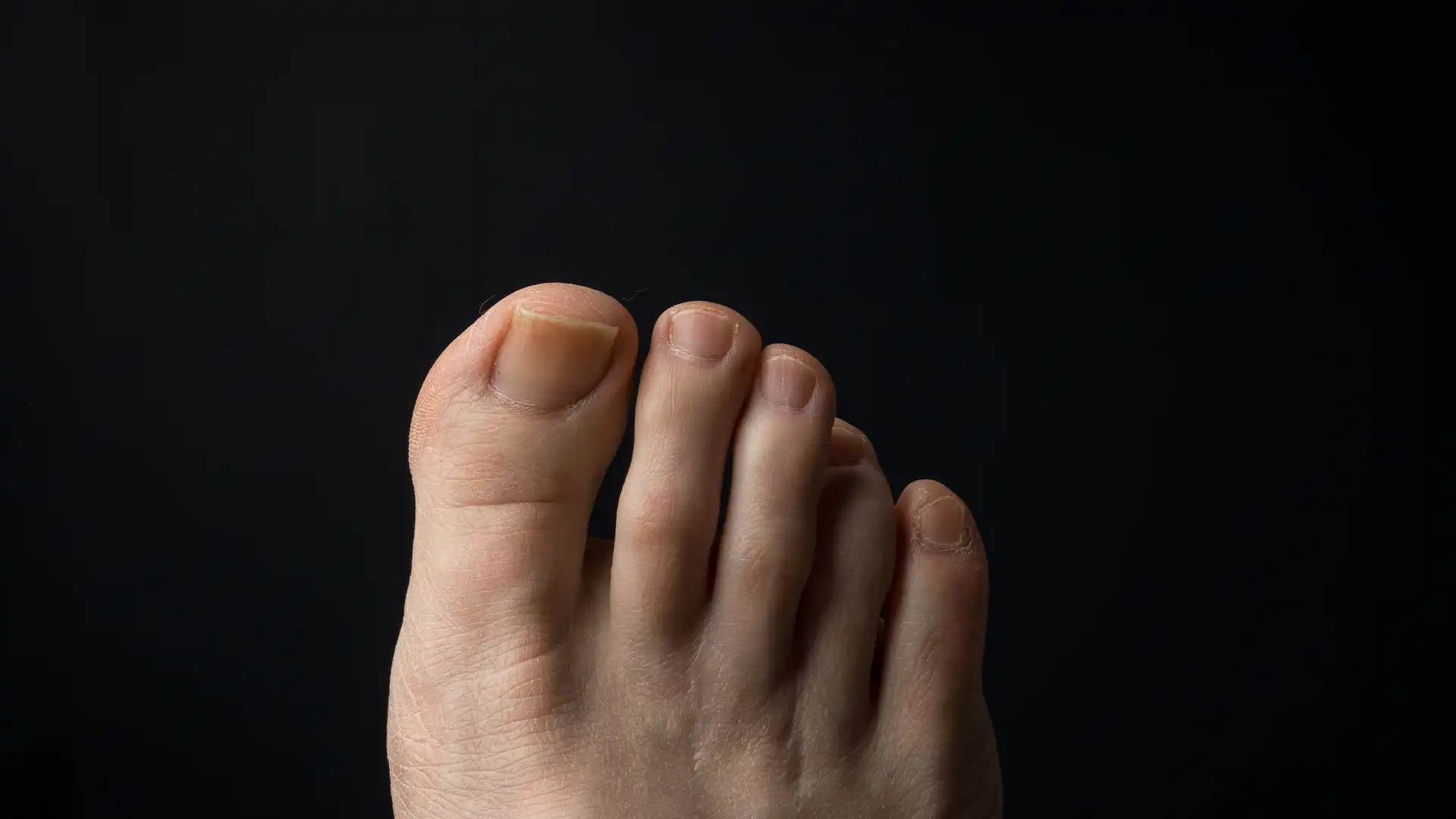
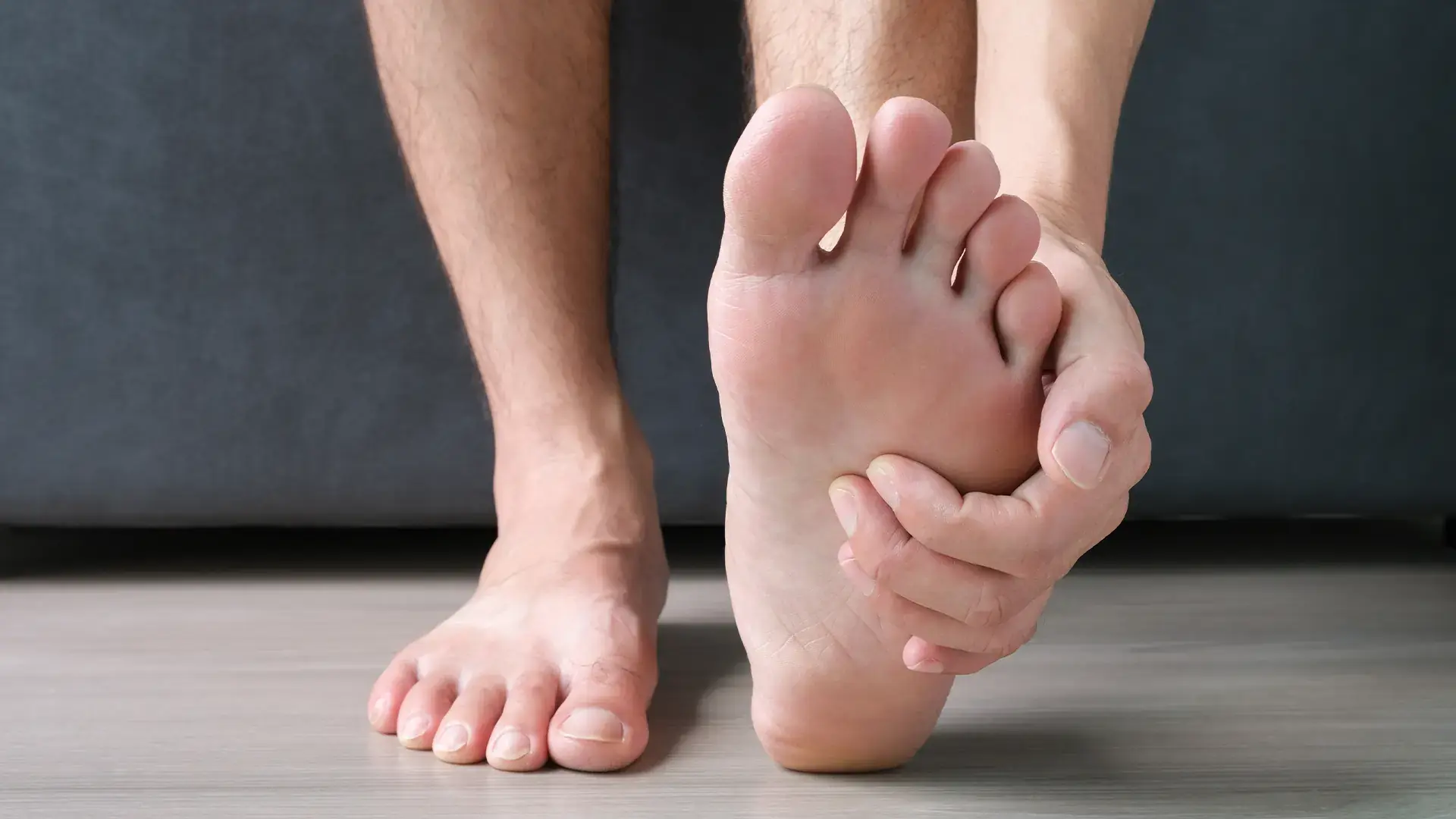
That first step out of bed — the sharp, stabbing pain in your heel that stops you in your tracks — is one of the most recognizable symptoms in foot and ankle medicine. For millions of Americans, that pain has a name: plantar fasciitis. If your heel consistently aches in the morning or after periods of rest, you’re not alone, and you don’t have to keep living with it.
Here’s how to recognize the signs — and what to do next.
What Is Plantar Fasciitis? Understanding the Source of Your Heel Pain
The plantar fascia is a thick band of connective tissue that runs along the bottom of your foot, connecting your heel bone to the base of your toes. Its job is to absorb shock and support the arch with every step you take.
When this tissue becomes overloaded — through repetitive stress, poor mechanics, or structural factors — small micro-tears can develop, triggering a degenerative process that leads to pain, stiffness, and reduced function. This condition is plantar fasciitis, and it’s one of the most common causes of heel pain in adults.
Unlike a simple muscle strain, plantar fasciitis involves a failed or disrupted healing response within the fascia itself. That distinction matters when choosing the right treatment.
7 Signs Your Morning Heel Pain Is Plantar Fasciitis
Not all heel pain is plantar fasciitis, but these seven signs point strongly in that direction:
- Sharp pain with your first steps in the morning — The plantar fascia tightens during rest. That first step stretches it abruptly — producing the sharp, stabbing pain that’s the hallmark of this condition.
- Pain that improves after walking but returns later — Pain often eases after 10 to 20 minutes of movement, then returns with prolonged standing or activity. This warm-up-and-worsen pattern is a reliable indicator.
- Heel pain after sitting or inactivity — This pain isn’t exclusive to mornings. Rising after a long drive, a desk shift, or any extended rest can trigger the same sharp discomfort.
- Tenderness at the base of the heel — Direct pressure on the inner heel, where the fascia meets the heel bone, typically produces sharp, localized tenderness. This is one of the most consistent clinical findings.
- Arch tightness or stiffness — Stiffness along the arch — especially first thing in the morning — often accompanies heel pain. Tight calves are a common contributing factor.
- Pain that worsens with barefoot walking — Hard floors without supportive footwear tend to significantly worsen symptoms. If going barefoot — first thing in the morning or on tile — reliably spikes your pain, that’s a meaningful pattern.
- Pain on the bottom of the foot near the heel, not the back — Location matters. Plantar fasciitis pain is felt on the underside of the foot near the heel. Pain elsewhere may be related to a different condition.
What Causes Plantar Fasciitis? Common Risk Factors to Know
Plantar fasciitis rarely develops without a reason. Several structural, biomechanical, and lifestyle factors increase the likelihood:
- High-impact activity or sudden increases in training volume
- Prolonged standing on hard surfaces
- Flat feet (pes planus) or high arches that alter load distribution
- Tight calf muscles or limited ankle dorsiflexion
- Worn-out or unsupportive footwear
- Excess body weight, which increases the load on the fascia
- Age — the condition is most common in adults between 40 and 60 years old
Understanding your specific risk factors helps guide a more targeted treatment plan — one that addresses the underlying cause, not just the symptom.
Frequently Asked Questions About Morning Heel Pain
How do I Know if I Have Plantar Fasciitis or Just Sore Feet?
General foot soreness tends to be diffuse and resolves with rest. Plantar fasciitis is characterized by consistent, localized pain at the heel — especially that first-step pain in the morning — that follows a predictable pattern.
Can Plantar Fasciitis Go Away on Its Own Without Treatment?
In mild cases, symptoms may improve with rest and changes in footwear. However, plantar fasciitis that goes untreated or is treated only with rest often becomes a chronic, recurring problem.
When Should I See a Podiatrist for Heel Pain?
If your heel pain has persisted for more than two to four weeks, interferes with daily activities, or keeps returning despite rest, it’s time to be evaluated. The sooner plantar fasciitis is properly diagnosed, the broader your treatment options will be.
Plantar Fasciitis Relief Starts with Arizona’s Top Podiatrists
At the Foot & Ankle Center of Arizona, our board-certified podiatrists and fellowship-trained foot and ankle surgeons take a precise, evidence-based approach to heel pain. We don’t guess — we diagnose.
Whether you’re dealing with a recent onset of morning heel pain or a longstanding condition that hasn’t responded to prior treatment, we’re equipped to help. Our team sees patients across Phoenix, North Scottsdale, Gilbert, and Peoria — bringing the same level of surgical expertise and clinical rigor to every appointment.
Request an appointment today and take the first step toward lasting relief.

 July 10, 2026

-optimized.webp)