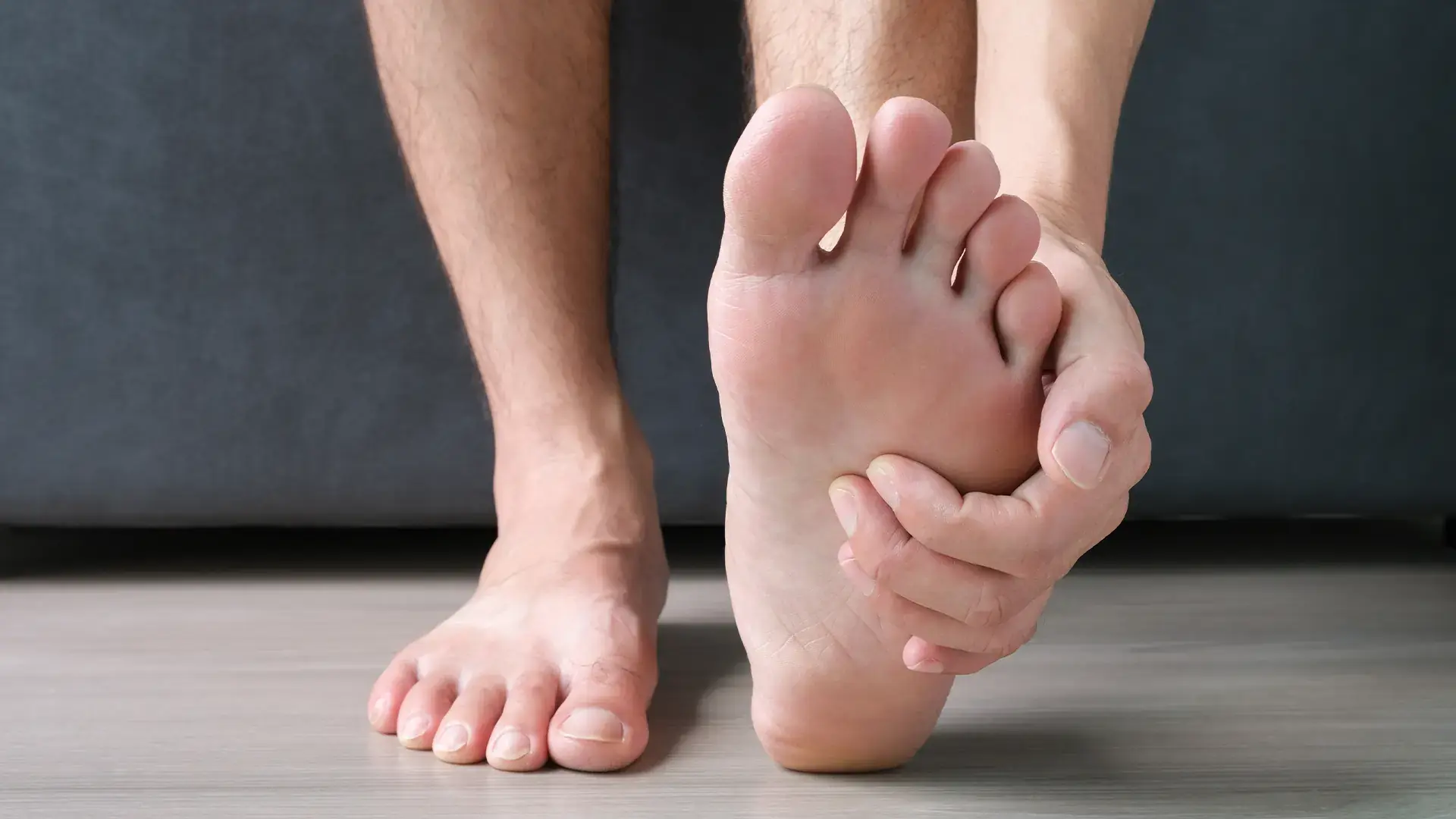
Heel pain, particularly as a result of plantar fasciitis, is one of the most common musculoskeletal complaints seen in podiatric practice — and one of the most frustrating to live with. For many patients, the first steps out of bed each morning are the most painful of the day.
If conservative treatments have offered only partial or temporary relief from persistent heel pain, shockwave therapy may be the next step worth understanding.
What Is Shockwave Therapy?
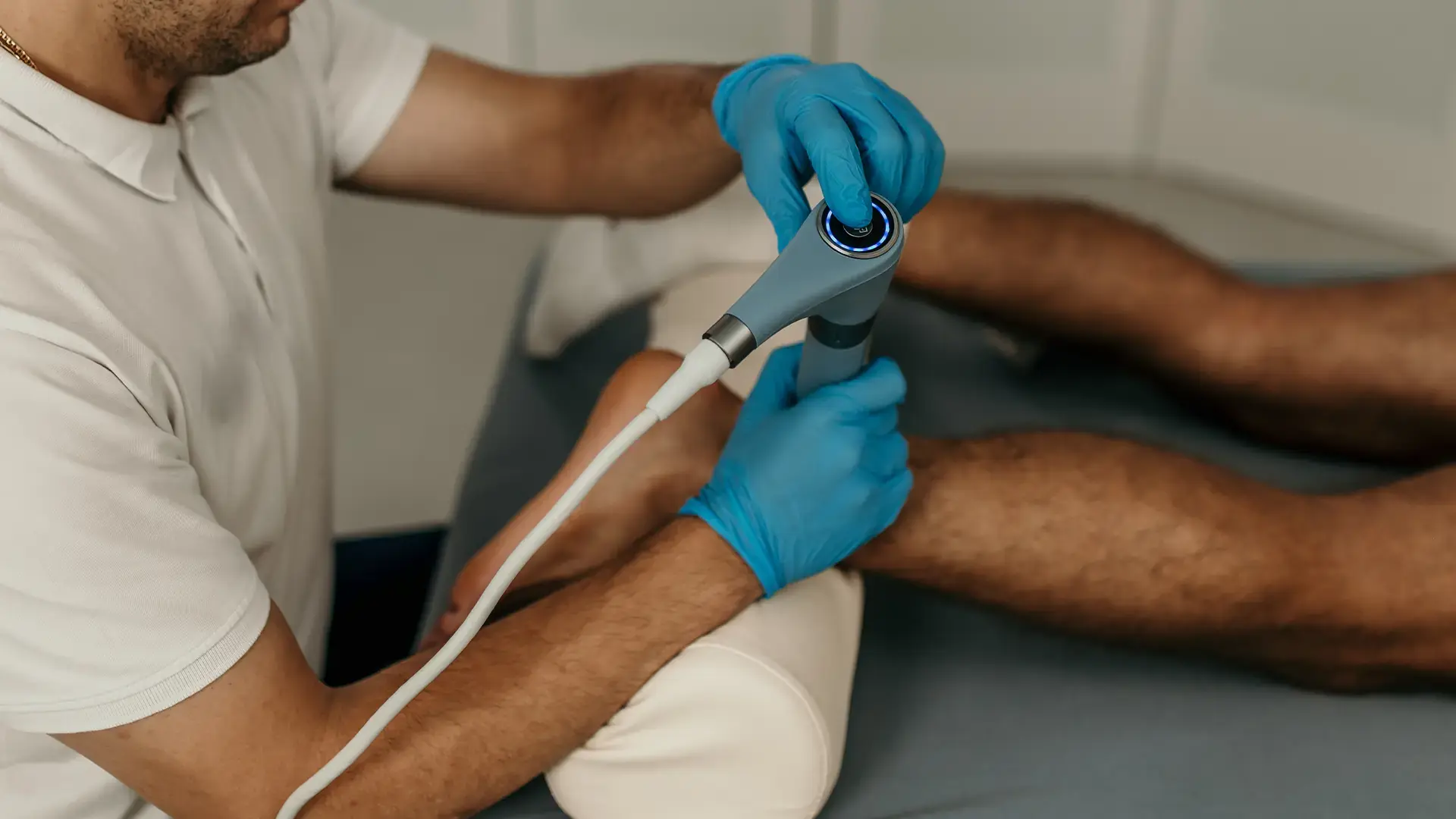
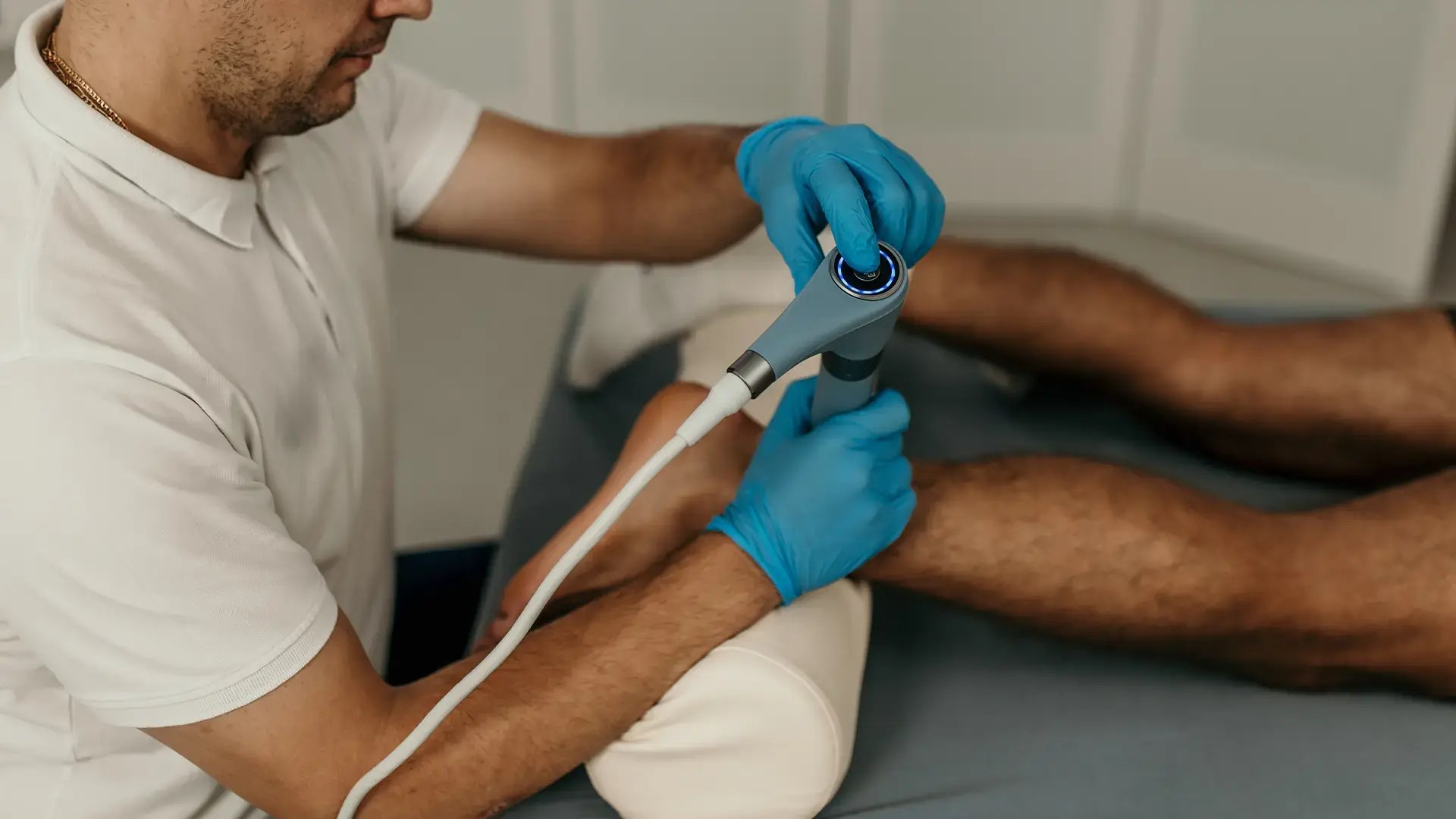
Extracorporeal shockwave therapy (ESWT) is a non-invasive, regenerative treatment that delivers targeted acoustic energy to damaged or chronically painful tissue. The mechanical stimulation prompts a local biological response, increasing blood flow, disrupting calcific deposits, and reactivating the body's natural healing process in tissue that has become stuck in a chronic, non-healing state. No incisions, no anesthesia, and no significant downtime.
Common Causes of Heel Pain
Heel pain rarely has a single cause, which is why an accurate diagnosis is essential before any treatment begins. The most frequently treated conditions include:
- Plantar fasciitis — inflammation of the thick band of tissue running along the bottom of the foot
- Achilles tendinopathy — chronic degeneration of the Achilles tendon at or near its insertion
- Heel bursitis — irritation of the fluid-filled sac cushioning the back of the heel
- Calcific tendinopathy — calcium deposits within tendon tissue that contribute to chronic pain and stiffness
- Insertional tendon pathology — tissue breakdown at the point where tendons attach to the calcaneus
Benefits of Non-Surgical Heel Pain Treatment
ESWT is particularly well-suited for patients whose heel pain has persisted despite stretching, physical therapy, orthotics, or cortisone injections. Key clinical benefits include:
- Stimulates tissue repair without surgery or injections
- Allows same-day return to normal activity in most cases
- Targets the underlying pathology rather than masking symptoms
- Durable, long-term relief for appropriately selected patients
- Well-tolerated with minimal side effects — typically mild soreness for 24 to 48 hours
What to Expect During Non-Surgical Heel Pain Treatment
Treatment sessions typically last 15-20 minutes. A handheld applicator is positioned over the affected area, and shockwave pulses are delivered through the skin. Most patients describe the sensation as a rapid tapping or mild discomfort, which is manageable without anesthesia. A standard course involves three to five sessions spaced one to two weeks apart, with many patients noticing meaningful improvement within the first few treatments.
Am I a Good Candidate for Shockwave Therapy?
ESWT tends to produce the strongest outcomes in patients with chronic plantar fasciitis or Achilles tendinopathy lasting three months or more, particularly when prior conservative measures have not achieved adequate relief.
It is generally not the first-line recommendation for acute injuries or early-stage heel pain, where stretching, physical therapy, and activity modification often remain appropriate starting points. A thorough evaluation is the only way to determine whether shockwave therapy is the right fit for your specific diagnosis and history.
Shockwave Therapy vs. Other Heel Pain Treatments
Not every treatment suits every patient. The comparison below provides a general overview to help frame expectations.
| |
Shockwave Therapy (ESWT) |
PRP Injections |
Surgical Intervention |
Cortisone Injections |
Stretching & Physical Therapy |
Orthotics / Heel Cups |
Night Splints / Immobilization |
| Invasiveness |
Non-Invasive |
Minimally Invasive |
Invasive |
Minimally Invasive |
Non-Invasive |
Non-Invasive |
Non-Invasive |
| Recovery Time |
Minimal - Same Day Activity |
2-5 Days with Reduced Activity |
6–12 Weeks Full Recovery |
1–2 Days Rest Advised |
None |
None |
None |
| Duration of Relief |
Long-Term |
Long-Term |
Long-Term |
Temporary |
Variable |
Ongoing Use Required |
Symptom Management Only |
| Best For |
Chronic Plantar Fasciitis, Achilles Tendinopathy, Failed Conservative Care |
Chronic Tendinopathy, Plantar Fasciitis |
Severe, Refractory Cases Unresponsive to all Other Treatments |
Acute Inflammation, Short-term Relief |
Early-stage Heel Pain, Prevention, & Rehab |
Biomechanical Correction, Arch Support, Mild–Moderate Pain |
Morning Heel Pain, Achilles Tightness |
| Side Effects |
Mild Soreness for 24-48 Hours |
Temporary Flares, Injection Site soreness |
Infection risk, Nerve Damage, Arch Instability |
Tendon weakening with repeated use, Fat pad atrophy |
None |
None |
Discomfort During Sleep |
| Costs |
Moderate |
High |
High |
Low-Moderate |
Low |
Low |
Moderate |
Get Heel Pain Relief at Foot & Ankle Center of Arizona
At Foot & Ankle Center of Arizona, our board-certified podiatrists and fellowship-trained foot and ankle surgeons take a precise, individualized approach to heel pain — one that begins with an accurate diagnosis and ends with a treatment plan designed around your goals and lifestyle. Shockwave therapy is one of several advanced non-surgical options we offer for patients who are ready to move beyond symptom management.
If heel pain has been limiting your daily life, we'd welcome the opportunity to help. Our providers serve patients across North Scottsdale, Gilbert, and Peoria. Request an appointment today.
 May 29, 2026
-optimized.webp)