Another Reason to Quit
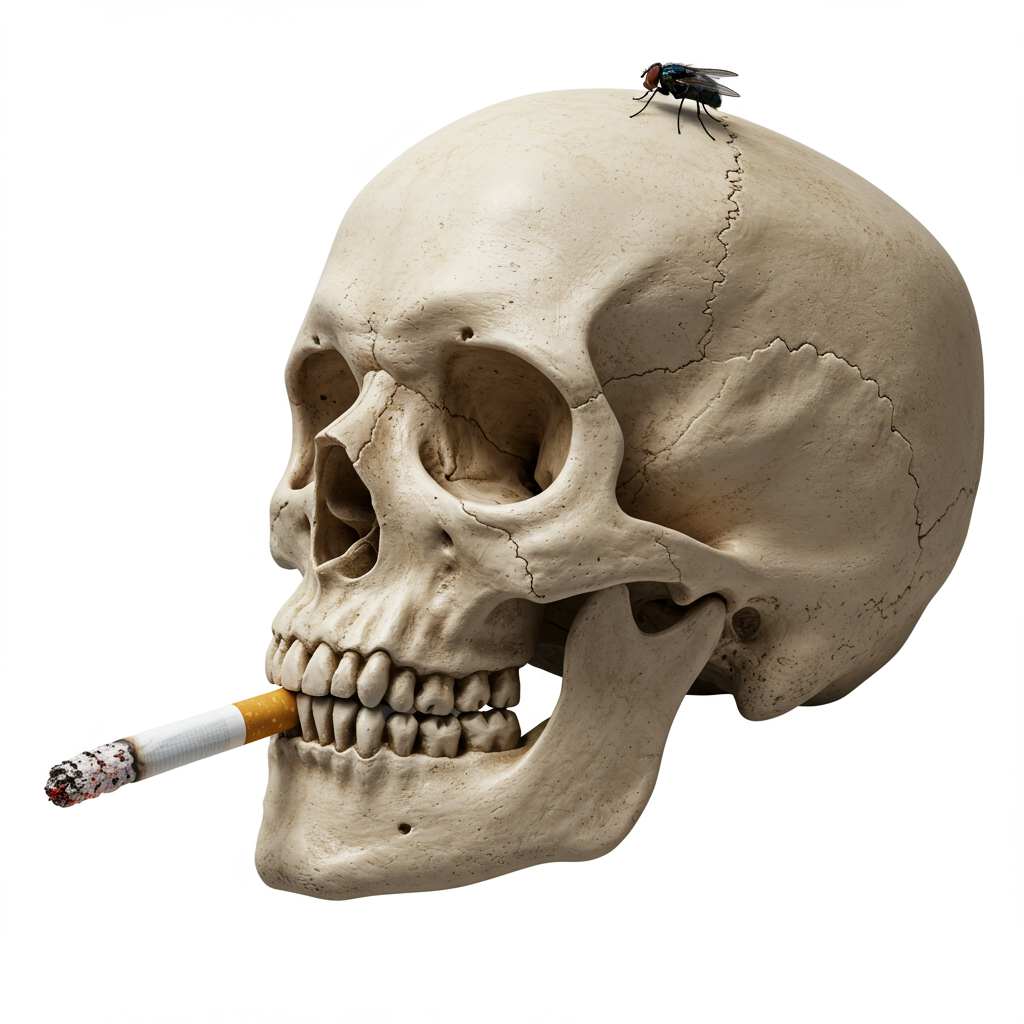
Another reason to quit, the list of reasons you shouldn’t smoke has gotten longer. Researchers in Turkey have found that cigarette smokers have significantly thinner Achilles and patellar (knee cap) tendons.
Objectives—The aim of this study was to explore the sonographic (ultrasound) and elastographic properties of patellar and Achilles tendons in smoking and nonsmoking otherwise healthy adults.
Methods—We conducted a level 3 case-control analytical study. Smoking and nonsmoking volunteers (>18 years) without musculoskeletal system disorders were included in the study. Demographic characteristics and smoking habits (pack-years) were recorded. Proximal (near), middle, and distal (far) third thicknesses of the patellar and Achilles tendons were measured by B-mode (non-motion) sonography. Strain ratio measurements of the same regions were measured by real-time ultrasound elastography.
Results: Achilles and patellar tendons significantly thinner in smokers—A total of 69 participants (57 male and 12 female; mean age ± SD, 35.5 ± 7.8 years) were evaluated in the study. Smoking (n = 35) and nonsmoking (n = 34) groups had no significant differences in terms of age, body mass index, sex, and activity level (all P > .05). Proximal, middle, and distal thirds of the patellar and Achilles tendons were significantly thinner in the smoking group(all P < .05). Furthermore, strain ratio measurements in the same regions were significantly lower in the smoking group (all P< .05). Patellar tendon thicknesses and strain ratios had negative correlations with the smoking amount (all P < .05).
Conclusions—Thickness and strain ratio measurements of patellar and Achilles tendons were reduced (thinner and harder tendons) in smokers. Clinical implications of these morphologic and elastographic changes should be investigated in future studies.
Another Reason to Quit
Not only does smoking cause ligaments to be thinner, it also impairs ligament healing according to researchers at Washington University School of Medicine in St. Louis. Add one more to the list of issues caused by smoking.
https://www.jultrasoundmed.org/content/early/2016/09/22/ultra.15.11050.abstract?sid=cd6f139c-fa92-41e2-a2d6-e5970116eae0
 October 2, 2022
-optimized.webp)